Relationship Insights: Boardroom Concepts for the Empty Nest with Dr. Robin Buckley - E112



Using business ideas for a personal relationship. It sounds unusual at first, but Dr. Robin Buckley makes it feel surprisingly natural.
She talks about relationships in a way that feels clear and doable without losing the heart of it. She takes ideas most of us only ever use in business and shows how they can actually make home life easier… especially when you’re in the empty nest stage and trying to stay connected as a couple.
She walks through mission statements, roles, and check-ins in a way that never feels rigid. It just feels practical.
A lot of empty nesters are dealing with boomerang kids right now. Dr. Robin talks honestly about how a little structure can keep everyone from slipping back into old patterns… and how clear expectations can make that season feel healthier for both parents and adult children. It’s a simple approach that brings more calm into the house during a time that can get overwhelming fast.
If you like what she has to say, her book lays out that exact framework in a really simple way:
Marriage Inc: The Boardroom Blueprint to a Lasting Love (affiliate link)
https://amzn.to/3M1c4S8
Find Dr. Robin Buckley:
Instagram and TikTok: drrobinbuckley
LinkedIn: https://www.linkedin.com/in/dr-robin-buckley/
Coaching website: https://drrobinbuckley.com/
CHATPERS
0:00 Intro
1:17 Why love needs more than hope
4:32 Mission statements for relationships
7:45 Can structure protect romance
9:58 Coaching vs therapy
12:40 Helping adult kids without overstepping
14:48 The boomerang child conversation
17:25 Keeping your marriage intact with grown kids at home
19:43 Launching kids after a boomerang season
21:46 How Dr. Robin’s kids reacted to structure
25:49 Why she wrote Marriage Inc
27:42 Where to find Dr. Robin
👋 Join the community conversation:
https://www.facebook.com/groups/theloudquiet
📬 Get weekly stories and extras from Rick and Clancy:
https://theloudquiet.kit.com/signup
Want to be a guest on The Loud Quiet. Empty Nest Living?Send Rick and Clancy Denton a message on PodMatch:
https://www.podmatch.com/hostdetailpreview/theloudquiethost
Disclaimer: This podcast is for informational and entertainment purposes only. The views and opinions expressed are those of the hosts and guests and should not be taken as legal, financial, or professional advice. Always consult with a qualified attorney, financial advisor, or other professional regarding your specific situation. The opinions expressed by guests are solely theirs and do not necessarily represent the views or positions of the host(s).
Rick Denton (00:00)
This week on The Loud Quiet, Relationship Insights, Boardroom Concepts for the Empty Nest with guest Dr. Robin Buckley.
Clancy Denton (00:08)
Hey guys, welcome back to the Loud Quiet. We are going to be talking about relationships today. But what if your relationship ran with the clarity of great business strategy?
Rick Denton (00:20)
That's what today's guest offers with the couples that she works with. Dr. Robin Buckley takes the frameworks that leaders use in boardrooms and brings them home to strengthen partnerships. Dr. Robin earned her PhD in clinical psychology from Hofstra University and has shared her expertise with Nike, entrepreneur, and also from the TED stage. She's an international speaker, a bestselling author of Marriage, Inc.
the boardroom blueprint to a lasting love and a coach who uses cognitive behavioral strategies to help couples and executives create intentional thriving relationships. Dr. Robin, welcome to The Loud Quiet.
Dr. Robin Buckley (01:03)
Thank
you for having me.
Clancy Denton (01:05)
Yes, we're so excited. let's dive in. Business strategy, business model, what does that mean? And doing that with couples and relationships, how does that work?
Dr. Robin Buckley (01:17)
Yeah, so the idea is that we all grow up from the societal perspective that love just happens, and then we have faith that it'll work out, and we hope it'll work out. And Disney and Hallmark and Romcoms have just done us a disservice, because that's where our expectation is. And for so few of us, whether it's your business, whether it's your podcast, you came in with notes. You have an idea of questions you might ask me. There's a structure to it, because it makes it work efficiently.
But when it comes to our relationships, we just wing it. And it blows my mind that we have continued to look at relationships just as this hope and a prayer approach versus actually implementing approaches, strategies, plans that we know work. And we know they work because they work in business. So mine is certainly not the only way of doing things, but it is the way that makes sense in my brain and for my clients.
Rick Denton (02:14)
Can you amplify that a little bit? And this idea of a business model, because I came out of the business world, and so there's a part of me that's thinking, that's great for when I'm in a meeting with a bunch of coworkers or strangers, and decades ago we were wearing our suits together, and there was, by design, an impersonal element to that, almost was required to be that. But when I'm talking about a relationship, you know, with my spouse,
There's sort of this mental disconnect when I hear that. can you help me understand that? How that, how that
Dr. Robin Buckley (02:47)
Absolutely. Right. So, well, maybe we could start from a place. When you were in business, since you threw yourself under the bus there, when you were in business, did your company have a mission statement? Good for you. But did your company have a mission statement?
Rick Denton (03:05)
sure it did. The likelihood of me knowing it it's near zero but yes.
Dr. Robin Buckley (03:09)
Of course, of course. But why did it have a mission statement?
Rick Denton (03:13)
there was a purpose behind it. There was a rallying cry behind that mission statement so that people were marching towards the same direction.
Dr. Robin Buckley (03:20)
Right. So my question for many of my clients when we start down that road is, why wouldn't your relationship have a mission statement? It can do the same thing. It'll be a rallying cry. It'll be a source of unity. It'll give direction to the relationship just like it does to a business. So when we talk about business approaches, business principles, I would say the majority of people I work with will say, Robin, that seems too rigid, too structured, too robotic.
And I get their perspective, what it actually does is creates more opportunity for fun and spontaneity and clarity because everybody is clear, whether it's on their chores, on their roles, on how we're going to check in, how we're going to do the things to make our relationship as efficient as possible so it can do all the things we want, which is just being able to enjoy each other. So we're taking these principles that we do associate in one
perspective of our lives, our careers, our businesses, and we're applying it to our relationship to get all the benefits and then enhance all the things that make relationship different than a business or a corporation.
Clancy Denton (04:32)
So how does it work when you have one spouse who definitely was in the business world and then one who was not? I had a career path that was totally different. So do you find pushback more from one or the other? Or how does that work?
Dr. Robin Buckley (04:48)
I actually find pushback more from the person who was in business because they're so clear. Yeah, they're so clear like, no, this is totally different. And what I usually remind clients is I didn't go to Harvard Business School. You don't need an MBA to understand this. We are not talking about concepts that are so over the top that you need to go to Wharton. These are things that, like a mission statement. I think most people could explain to me why it's valuable. When we do talk about things that might be a little outside of the...
common vernacular like KPIs, then it's a quick explanation and it doesn't take more than two sentences to explain what a key performance indicator is and how it can be applied to the relationship. But it is funny you asked that because it is usually the business person who's like, now in couples where they're both from a business perspective, that actually seems to work better than one versus the other. But yes, it's always the business person that wants to ask me more questions. I love that.
Clancy Denton (05:43)
I
that's funny because I'm staring and going, I'd like to do some performance reviews.
Rick Denton (05:49)
That's right that's on a scale of one to five yes meets expectations and all that you Doctor Robin you may have seen me flinch when you said KPIs so I think that makes sense because I've got such baggage From that world I think about a relationship and I think about there's also the element for romance and the non hard skills the non Excel spreadsheet oriented is there the Concern that bringing in a lot of this logic might squash some of the romance
Dr. Robin Buckley (05:50)
Wow.
100%. I get that all the time where people are like, then, you know, so you're making romance quantifiable. And I usually surprise people by saying, yeah, I actually am. That we actually are creating metrics around every aspect of the relationship so that we get what we want as a couple. I understand why people say it potentially squash it, but it does the exact opposite. That when we, for example, we assign chores, and I certainly am not implying that
We're going to go to our significant other and say, you're going to do all this, and then I'm going to take the fun stuff. That's not how that works. It's, what do you want to do? What are your preferences? What are you are better at? We make sure that everything is clearly delineated so that when we might have some free time, first of all, our brain isn't like, my god, we've got all these things we've got to accomplish. Do we really have time to sit here and snuggle or have sex or binge watch Netflix, whatever it might be?
because we know, ⁓ wait a minute, no, I know when those are gonna be taken care of, or I know who's gonna be taken care of that, or they've already been taken care of. So it actually creates more freedom. The structure that I'm suggesting or encouraging creates more of that freedom, which then enhances the opportunity for spontaneity or anything else that the couple wants to do to enhance that side of their relationship.
Clancy Denton (07:45)
huh. That's great. you are a couples coach. can you explain the difference between, you know, because we hear couples therapy, couples coach, what's the difference between those two?
Dr. Robin Buckley (07:58)
Yeah, and I love that because I have the background I do, I'm really able to delineate. I'm very clear what the difference is when I'm working with clients. So first of all, screening for certain things is important when you're deciding between therapy and coaching. In my world, any recent or current abuse, addiction, adultery, or significant loss, those are couples that start with therapy. Those are clinical issues. For couples who really want to do a deep dive into the past, also therapy.
That is absolutely where it should be because, again, it pulls in those clinical aspects. And when I say clinical, I mean where there can be actual diagnoses. Couples coaching is not going to cover those issues. I mean, it might touch on it, but these cannot be still raw situations. So with a couple's coach, it's going to be looking at where the couple is right now and where they want to get to in the future. So there isn't that...
dredging up the past, which is sometimes necessary and important for some situations in some couples, but again, that's for therapy. I tell my clients, look, we can't change the past, so that is not something we are gonna be doing. It's something that, if you need to give me a couple examples to ⁓ illustrate what's going on now, sure, but we are not gonna spend hours talking about the past. So coaching is really looking to create.
plans and opportunities for the couple to either grow their relationship or improve their relationship.
Clancy Denton (09:29)
I'm so glad that that was a great explanation. And yes, like you said, I mean, you have the background because you have your doctorate and you have your PhD in this. So thank you. That really just clarifying it for us and for our listeners, I'm sure.
Rick Denton (09:45)
Yeah, because I think a lot of times it's really like if we were in a relationship challenge, we'd immediately be thinking therapy. Right. And what I'm hearing is, Dr. Robin, there's a degree. Yes. I think I have a question that comes out of this. It just kind of came to mind. But do couples struggle to self-diagnose between therapy and coaching? And how do you help them self-diagnose where they are in that?
Dr. Robin Buckley (10:11)
Yeah,
it's a great question. couples coaching is not very common. mean, it's more and more we hear about relationship coaches and couples coaches, but it isn't the first thing people say. And then they say things like, we're going to go to couples therapy, and they mean it could be either. And again, it's very different. So it's hard for couples. And I love the opportunity when couples are like, oh, think we need some therapy. I'm like, OK, well, explain to me what's going on. I'm more than happy to help you.
decide and it is so common that couples who originally thought they needed therapy actually align more with coaching. That is what would really help them. And when they realize they have an option, I love watching their faces because that alone reduces some of the pressure like, we have to go to therapy. That feels heavy for a lot of people where they've had bad experience and now all of sudden they have choices.
and it leaves room for them to make a decision together of what really is the best approach for them.
Rick Denton (11:15)
Well, and I like that we're talking about this now because our audience is empty nesters. That's the spirit of the show and it's mostly empty nesters with, well, some of the empty nesters kids. And actually that's something that we were thinking about in this context as empty nest parents. You want to be involved in your kid's life. You want to help them. You want to kind of shape, inspire them. If you will, you almost want to coach them. But when it comes to kids relationships, when they're in dating relationships or marriage relationships,
How do you help couples like us that are in that emptiness phase kind of know when to step out, when to step in? How do we know when to hold our tongue or when, hey, maybe you should go talk to a coach.
Dr. Robin Buckley (11:59)
Yeah, there's a couple of suggestions that I have in regards to that. The first is I work off a mantra in my personal life with my kids and I make it a strong recommendation to couples or parents is to ask one simple question first. Do you want advice or are you just looking to vent?
That phrase frames the whole conversation. I just did that an hour ago with my older daughter who's 22. Like, are you calling to vent to me or do you want advice? She thought she wanted advice, she didn't like it, so we went back to venting. But it just allows a parent to know, what are we dealing with right here? Is this an emotional dump or are they in a potentially cognitive place to hear the information? Because if you don't get that right, the approach you're about to take isn't going to work if you really don't know which side of their brain they're working from.
The second thing is ⁓ that when it comes to their relationships, it's understanding that our kids are coming from a different interpretation of what a relationship is. I got to tell you, I wouldn't go back to being 20 right now if you paid me. There are so many nuances that I still have a hard time wrapping my brain around. So as a parent, what
I think often helps is to remind yourself that at this point in our children's lives, we are now really entering into a mentor relationship with our kids, that we're not parenting them anymore, that we are there to offer our own experiences, our own mistakes when they're open to hearing it, but we're not there to really actively guide them the way we did when they were 18 and under. And I think that helps a lot of parents. It takes a lot of pressure off a lot of parents to realize,
I can mentor because now I'm just like, here's the perspective, do with it as you wish.
Rick Denton (13:51)
Yeah, you can maybe saying this little too strong, but heck if it's your screw up now ⁓
Dr. Robin Buckley (13:57)
I didn't
know that is true. You've done everything you can and your active parenting is done. Your active mentoring is just starting and for I've seen a lot of people, they are much happier and more comfortable in that mentor role than parent.
Clancy Denton (14:14)
So what happens when you have the boomerang children? know, yes, we talked about this and I wanted to get your, because your perspective was so good on this when we had our earlier call. And also how does that affect the relationship between the parents? Because some of us had been on our own and now out and about.
Rick Denton (14:36)
It kinda like-
Dr. Robin Buckley (14:38)
Yeah, absolutely. know, when our, so two of our four moved back in with us this past summer, one has now exited and one is with us. And I used a lot of the approaches that I talked about in the book with them prior to them moving in. Like, here are the expectations, here's your role and your role is not as child anymore. Your role is as an adult member of this family.
And that means you're taking on certain responsibilities and not just chores, but just the responsibility of maintaining the culture in the house that we have now established in the year you were not here. So this is not the culture you necessarily grew up in. There might be elements. It might look similar, but it's not exactly the same. And allowing them to know it's their home, but it's still your house. And it's still your setting that when they leave, it's going to continue to be yours.
And it's, you know, sometimes I think it does sound harsh, but if you don't establish that with a ⁓ adult child that's coming back in, it is so easy for them to fall back into the child role. mean, that's been their dynamic with you for their entire life. So if you don't clearly say, you know, this is actually how this is going to be and have meetings and check-ins with them, just like I suggest for couples, it really can just default. And that default doesn't usually do a service to anyone.
And for the couple themselves, my goodness, lengthy, important conversations, ideally before the child, adult child, moves back in. Like, how is this gonna look? And I'll be candid, because I have no problem with that. You know, my husband and I are very comfortable when there's no one in our house not necessarily wearing a lot of clothes. And we were happy with that. We have a pool on a screened in the night. Like, it was wonderful. And our kids know that about us. They know to call ahead.
So we were very clear, like when you are at home, give us a heads up. We will give you a heads up when we're coming home because that's respectful. And we also had a conversation privately, like how are we going to still get some of that experience of freedom and connection when we have people in the house or a person in the house that we want to keep something private and we don't want to share everything. So we made some really critical
decisions on what did our intimacy look like, what did our sex life look like, how are we going to establish connections when we can't you know, snuggle on the couch in whatever state we wanted to because there's a child who's going to come walking through. So how do we still get that and not make her feel like she's unwanted, but still make sure that we have that as a regular part of our life as a couple?
Clancy Denton (17:24)
now.
Rick Denton (17:25)
Boy, that's, I mean, not just for boomerang parents, but as you're talking, I'm hearing that for parents of college-age kids who come back for summer because we've had that exact thing. I like to skinny-dip after a run because it's a lot easier to just jump in the pool. We have our sex and intimacy times that are whenever we want them to be, and then suddenly a kid is home, and that changes a lot.
Clancy Denton (17:49)
It was really that first summer that both of them were here back in the house. We were like, oh goodness, it made it more uncomfortable for us just because yeah, they're, know, 21 and you know, 19. It was like they're adults.
Rick Denton (18:08)
⁓ You started suggesting, hey, you know, maybe you and your friends want to go out tonight. Go enjoy.
Dr. Robin Buckley (18:13)
Absolutely.
And I didn't even, you know, I tell parents, I know everybody has a different comfort level, but the more honest you can be with your adult child, it actually is easier. So I will say to our kids sometimes, hey, look, we need some alone time, we need some naked time. And so, hey, and I'll even bribe them. I'll be like, here's 30 bucks, get, you know, go do something. We just need the house to ourselves. And
You know, and it helps. I yeah, they do the whole, oh, gross, we don't want to hear it. I'm like, okay, but now you're very clear. You know, it's not that you're not wanted. It's not we're kicking you out because you're a bother. It's because we actually want to focus on each other. And that's a good thing and a good model. I, poor kids here, I'm like, be grateful you have two parents who want to be together and like each other and desire each other. So I think that candidness just allows that.
that level of trust and honesty that now they know what the situation is and there's no misinterpretation.
Rick Denton (19:14)
we're extracting that clip and playing that for Tannin TV just to see. Okay, let's go the other direction. Cause at the end of summer, the kid leaves, right? That's, that's normal. But when they boomeranged into your house as an adult children, how are you helping them not just learn how to operate? And by the way, I love that you mentioned culture back to that business model approach that you had at the beginning. I think that's genius to talk about the culture of the household. The culture is also, Hey, we're ready for you to exit. How are you helping them launch?
Dr. Robin Buckley (19:17)
That was a reaction.
Rick Denton (19:43)
Once they boomeranged, how are you helping them to kind of un-boomerang?
Dr. Robin Buckley (19:47)
Yeah, and to use the reference of business, it is the same as if you were exiting an employee either from their job in the organization or into a different apartment. Or if they were being promoted, you would have very clear timelines. And timelines are just a great place to start. So our older daughter was moving back in also with her boyfriend, by the way. So there was three moving in at once. And we were very clear. Like, you get two months rent-free
to figure out jobs, to find your own place, after two months, you're going to start paying rent. And it wasn't as a punishment, it was as an encouragement that you need to move on. This is not where you're just going to land and stay. And we're not going to charge you $1,400 rent like the rent is around here, but it is going to be that. And we're going to meet in two months if you aren't progressing to establish new parameters and what that's going to look like.
So thankfully they hit their mark, they were out right almost at the two month mark. But it's making sure they are clear what, this isn't just you get to just stay if that's not what the parents want. It's just being clear. And then when you're here, what does this look like? So like with the kids, God, they never participated really in cooking. And some of that was my fault and some of it was my preference just to stay out of my way. But when they moved back in, I said, you know what?
Each of you is going to pick a meal every week, whatever meal you want, something that's more than mac and cheese out of a box. And I'm going to supervise while you learn how to manipulate a kitchen, while you learn how to have some basic recipes under your belt. So when you do leave, again, this isn't a punishment. This is to prepare you for when you will leave. So there was a lot of those kind of parameters. And I think of it like skill development.
We want you to move up and be promoted. So these are the skills you're gonna need to get out and move on.
Rick Denton (21:46)
Can I, I want to ask you one more thing about that and that is how did they take that? Because this like our conversation here sounds very natural. It's very okay so that we had this conversation. very logical. Did they take it that way or or were there some emotions in here that had to be over?
Clancy Denton (22:03)
That's I
like about this is that it takes the emotional side almost out of it. that's genius.
Rick Denton (22:10)
I it's genius. totally agree. I'm wondering, did it? ⁓ How did they react?
Dr. Robin Buckley (22:16)
Shockingly, I will admit it. I had been applying this strategy for couples. I hadn't done it with my kids in this kind of situation. it went, I am still surprised how well it went. I'm surprised the two got out in the timeline that we had designated. I'm surprised they all participated and they're designated nights for cooking without moaning and complaining, especially one of my kids who I love to death. she, I was like, I'm waiting for it. And she didn't.
And I think it was just because it wasn't, these parameters weren't established in reaction to them pissing us off. They were established before they even set foot through those doors. So they just knew, there was no, oh my God, you're driving me crazy. Now this is what we're gonna do. It was, okay, this is how we're gonna set this up and why. I mean, we also established with the two that were here for just two months, like we want you to live your life.
and the one that's here for the year because she had transferred to college and decided just to commute locally, it was like, okay, yeah, this makes sense and we're going to do it this way for this period of time because it fits your criteria. So like when my older daughter said, well, why does she get a year? I'm like, because she's in college and you're not and you're working on a career and you need to do that outside of the house. So, and she was like, oh, right. Like it just was based on facts rather than reaction.
Clancy Denton (23:40)
if you haven't already started a second book, think that it should be about applying those strategies to this kids topic because it's huge. many, mean, we have so many friends who their kids are back at home. So, you you talked about the child could fall back into the child role and I could totally see myself falling back into the all the time role.
Dr. Robin Buckley (24:07)
percent.
Clancy Denton (24:09)
So then after those kids have left again, what do you do when it's just us again? You it's like you're almost having to restart.
Dr. Robin Buckley (24:19)
Right, and when you don't fall, so one of my things that I really had to hold myself back on, I really do like to cook, or at least I did when there was a family here, but as my husband and were just living together, there were some nights that we didn't, and we just had crackers and cheese, or whatever was easy. It was so hard for me not to fall back into that when the kids moved back in. I'm like, well, that's what I've always done. And my husband was continuously, gently reminding me, you don't want to set it up as a precedent.
That is not your role anymore. They are adults and can manage this. And it was really helpful because of exactly what you said that when they move out, I don't want to have to restart again. want to, I mean, we had to make adjustments, but we're not going full back. So now we have to adjust to empty nesting in another, you know, for another year. I struggled for about three months when we were actually empty nesters. I missed the kids. It was a transition. But then as you said, I
was so happy after that. I want if there's going to be any empty nesting, I want it to be like maybe a couple of weeks this time instead of like a full three months and us to get back into where it's just us as the focus.
Rick Denton (25:29)
Yeah, like that. Well, Clancy and have a book coming out later this year. So we know how much work goes into that. What inspired you to write Marriage, Inc. And how can couples use that today? Because it's a lot of work. So there had to be something that really stirred you. This needs to be in the world.
Dr. Robin Buckley (25:49)
Yeah, there were two things. ⁓ The motivation to actually write my framework into a book were my clients. My clients would regularly say, Robin, we just wish we had everything in one place, or we wish you were just in our ear all the time. And so that was really what motivated me to actually get it down in writing. But the motivation for doing couples work and creating this framework was my own mistakes. I'm divorced twice, which...
is the irony of my professional life, that here I am helping couples create sustainable relationships and I failed twice. But I love that I can take that experience, understand where they are when they're struggling or they're just having ⁓ a rut right now in their relationship and be able to help them maybe navigate it faster or completely avoid it. So that was what, when I started doing couples work, like, this feels where...
where I want to be because I get it. I get how easy it is for things to fall apart before you even realize it. And there's got to be a different way. There's got to be a better way to make marriage genuinely work and make it so that it's not quote unquote hard work. Because I hate that phrase about marriage. It sets us up in our brains. It primes our brains like, marriage is hard work. Well, why would we want to do it instead of its diligence and dedication and nurturement and choice every day?
That, that I love. ⁓
Rick Denton (27:17)
Ooh, that's great.
Clancy Denton (27:19)
Yes,
that is, I'm just sitting here thinking that needs to be out there on something.
Dr. Robin Buckley (27:27)
Bye
Rick Denton (27:28)
That's on a t-shirt or monogrammed on somebody's pillow somewhere. Absolutely.
Clancy Denton (27:33)
So, Dr. Robin, tell our listeners where they can find you, about your book, let us know what the next steps could be.
Dr. Robin Buckley (27:42)
Finding
me is easy. It's the same moniker everywhere. So it's just Dr. Robin Buckley. So they can go to my website. They can find me on Instagram, TikTok, LinkedIn, and my God, five other platforms, because that's what my business coach told me to do. And my book is available on Amazon. So super easy. There's a book and there's also a workbook. So couples can actually, it's a very concrete book with strategies that they can implement immediately. And the workbook just makes it a little more fun to do it together.
Clancy Denton (28:12)
Mm-hmm. And what about your coaching? You have a coaching website as well, right? I do.
Dr. Robin Buckley (28:17)
Yeah, so drrobenbuckley.com. They can learn more about me, learn more about some of the work that I've done. They can listen to all my podcasts that I've been on and articles that I've read. And then they can also connect with me so they can set up a discovery call to figure out if this is really the right approach for them.
Clancy Denton (28:36)
Okay, great. was so good. I do, I really love just taking the emotion out of, know, relationships are so highly emotional. And this is just such a practical strategy to set yourself up for success. And I just, I love that. So we just thank you so much for being on today and listeners again, go to our website, theloudquiet.com. We will have all of Dr. Robbins information on there.
And thanks again for listening to another episode of The Loud Quiet.
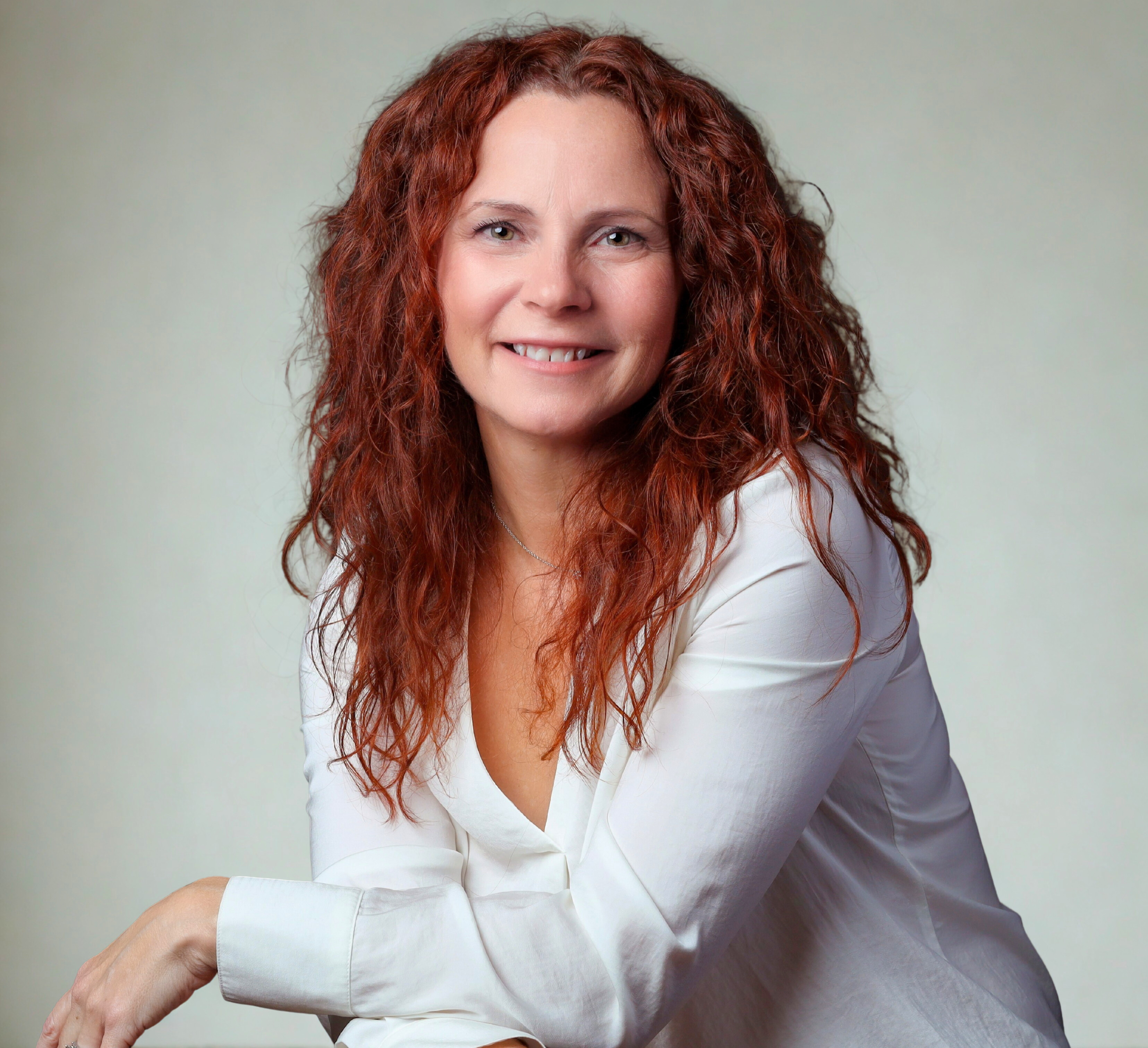
Couples Coach / Executive Coach / Author
Dr. Robin Buckley holds a PhD in clinical psychology from Hofstra University, where she specialized in cognitive behavioral methodology and executive coaching. Her work has been featured by Entrepreneur, Chief, Authority Magazine, Nike, and on the TED stage in 2023.
As an international speaker, Robin brings cognitive behavioral strategies to life, showing how they support mental wellness and better performance in leadership and the workplace. She also applies this same strategic approach to couples coaching through her proprietary business-framework model, helping partners build a relationship structure that’s clear, intentional, and built to last.
Her data-driven coaching helps organizations, couples, and individuals create practical plans to reach their goals in both work and life. She’s the author of three books, with her latest, Marriage Inc.: The Boardroom Blueprint for a Lasting Love, hitting best seller status on Amazon in 2025.
With a blend of science, strategy, and heart, Robin gives people the tools to move from hoping things will get better to actually building the results they want.